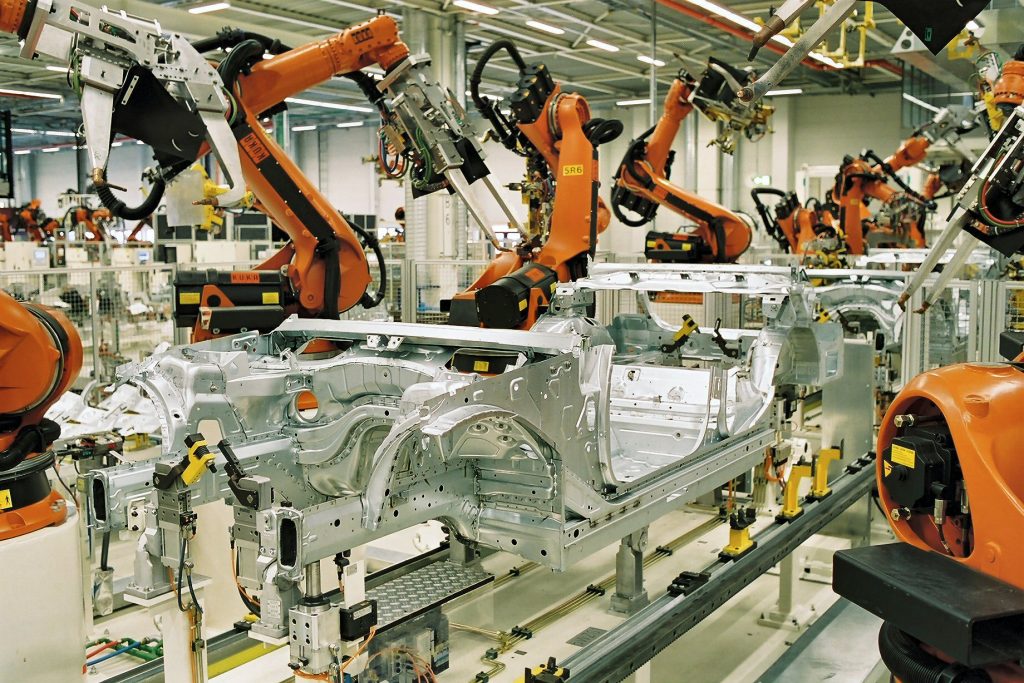

The electric-vehicle industry’s centre of gravity is broadening. Southeast Asia — long a manufacturing base for Japanese combustion cars — is assembling a full EV supply chain: nickel and battery materials in Indonesia, components in Vietnam and Thailand, assembly plants across the region and a home market of more than 680 million people beginning to buy. Carmakers diversifying beyond any single country, and governments competing hard for their factories, are accelerating the build-out.
The result is a regional contest with real stakes: tens of billions in investment, hundreds of thousands of manufacturing jobs, and a test of whether Southeast Asia can climb from assembly into the high-value middle of the battery chain. Data from the International Energy Agency on global EV supply chains shows how concentrated production remains — and therefore how much room challengers have. Our homepage coverage and Blog reporting track the factories, policies and bottlenecks.
Nickel, Batteries and the Indonesian Bet
Indonesia’s strategy is the region’s boldest: ban exports of raw nickel ore, and the world’s battery industry must come and process it locally. Largely, it worked. Smelters, precursor plants and battery-cell factories followed the ore, bringing investment and industrial skills — alongside serious questions about coal-powered processing, deforestation and labour standards that exporters must now answer for buyers with carbon rules of their own. Cleaning up the power behind the nickel has become the industry’s next contest.
Thailand, the region’s traditional car capital, is defending its position with incentives for assembly and components, courting Chinese EV brands whose local plants now anchor industrial estates. Vietnam has produced the region’s most ambitious homegrown champion, while Malaysia leverages its semiconductor base toward power electronics. The pattern is complementary as much as competitive: a battery material processed in one country, cells made in a second, vehicles assembled in a third — a supply chain that treats ASEAN as a single factory floor.
Demand at Home, Markets Abroad
Supply chains survive on demand, and regional demand is the story’s second engine. EV sales shares in Thailand and Vietnam have jumped from negligible to meaningful within a few years, helped by subsidies, fuel prices and a flood of keenly priced Chinese models. Two-wheelers may matter most of all: the region runs on motorbikes, and electric models plus battery-swap networks are spreading through delivery fleets and city commuters, building charging habits and supplier bases from the bottom up.
Exports are the harder test. Western markets’ tariffs and rules-of-origin requirements shape where Southeast Asian production can sell, and local-content rules are being written to keep value in the region rather than passing through it. Producers are responding by deepening local supplier networks — tyres, glass, seats, wiring, electronics — the unglamorous layers where durable industrial employment actually accumulates.
What Could Slow the Climb
The risks are familiar to any fast industrial build-out: power grids that must grow cleaner and stronger simultaneously, skills shortages in battery engineering, policy auctions that overpay for footloose plants, and price wars among Chinese brands that squeeze the local suppliers the strategy aims to grow. Environmental credibility, especially around nickel, will decide access to premium markets as surely as cost will.
Even with those cautions, the direction is set. Southeast Asia is not waiting to be assigned a role in the EV era; it is bidding for one, with resources, factories and an increasingly willing home market. The supply chains growing up across the region today will decide whether the EV age’s map looks much like the petrol age’s — or noticeably wider. Education systems are being pulled along in the factories’ wake, with new vocational programmes in battery technology and mechatronics opening across the region to feed employers who say their hardest vacancy to fill is no longer the executive but the technician.