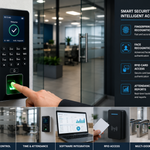
Every business, regardless of size, holds something worth protecting—inventory, sensitive data, or simply the safety of employees walking through the front door. That’s where modern access control systems come in. These systems have moved far beyond the simple lock and key, giving business owners a smarter way to manage who comes and goes.
As threats to businesses evolve, commercial security has become a top priority for organizations across every industry. A single unauthorized entry can lead to theft, data breaches, or worse. That’s why more companies are investing in access control technology that not only restricts entry but also provides real-time visibility into what’s happening on-site.
Key Benefits of Access Control Systems
Access control systems offer more than just locked doors. They provide a foundation for stronger, smarter commercial security across an entire organization.
Enhanced security is the most obvious benefit. By restricting entry to authorized personnel only, businesses reduce the risk of theft, vandalism, and workplace incidents. Real-time monitoring means security teams can see exactly who enters a building and when, rather than relying on guesswork after an incident occurs.
Improved operational efficiency follows closely behind. Employees no longer need physical keys that can be lost or duplicated. Instead, access cards, fobs, or biometric credentials streamline entry while reducing the administrative burden of managing traditional locks.
Cost savings round out the benefits. Preventing even one theft or security breach can save a business thousands of dollars. Over time, the reduced need for rekeying locks, replacing stolen inventory, or dealing with legal fallout from security incidents makes access control systems a sound financial investment.
Types of Modern Access Control Systems
Not all access control systems look the same, and businesses have several options depending on their needs and budget.
Card-based and biometric systems remain popular choices for reliable identification. Key cards and fobs are simple to issue and revoke, while biometric systems—like fingerprint or facial recognition—add an extra layer of certainty that the person entering is who they claim to be.
Cloud-based solutions have changed the game for many businesses. These systems allow security managers to grant or revoke access remotely, monitor multiple locations from a single dashboard, and scale easily as a business grows.
Integration capabilities matter, too. The best access control systems work alongside existing commercial security infrastructure, including video surveillance and alarm systems, creating a more complete security picture rather than a standalone solution.
Implementation Best Practices
Choosing the right system is only half the battle. Proper implementation makes the difference between a security upgrade that works and one that creates new headaches.
Start by assessing your facility’s specific security needs. A small office has different requirements than a multi-building corporate campus or a warehouse handling valuable inventory. Understanding these needs helps determine which type of system, or combination of systems, makes the most sense.
Once a system is selected, staff training shouldn’t be an afterthought. Employees need to understand how to use their credentials properly and what to do if something goes wrong, such as a lost access card. A system is only as strong as the people using it.
Finally, regular maintenance and updates keep systems running smoothly. Software needs patching, hardware needs servicing, and access permissions need periodic review to ensure former employees or outdated credentials don’t create security gaps.
How Access Control Improves Commercial Security
Beyond locking doors, access control systems play a central role in a broader commercial security strategy.
These systems track and log employee movement, creating records that prove valuable for audits, compliance requirements, or investigating incidents after the fact. If something goes missing or an area is accessed without authorization, businesses have a clear trail to follow.
Immediate alerts for unauthorized access attempts also mean security teams can respond in real time rather than discovering a problem hours or days later. This rapid response capability can be the difference between stopping a threat and dealing with its aftermath.
When combined with surveillance cameras, alarm systems, and on-site personnel, access control becomes one piece of a layered security approach. No single system catches everything, but together, these tools create a much harder target for anyone attempting unauthorized entry.
Protecting What Matters Most
Modern access control systems have become a cornerstone of comprehensive commercial security. They give businesses the tools to restrict entry, monitor activity, and respond quickly when something goes wrong.
Investing in the right access control system protects more than just physical assets. It protects employees, sensitive information, and the daily operations that keep a business running. For organizations serious about security, upgrading to a modern access control system isn’t just a smart move. It’s a necessary one.